

And God ordained the woman
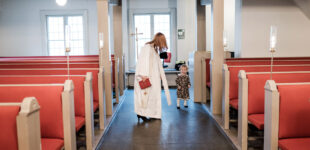
In Sweden, 40% of the priests are women, and they will soon be a majority.
Meet the religious women of modern times, a revolution in the Lutheran Church.
The Kashmiri ‘half-widows’
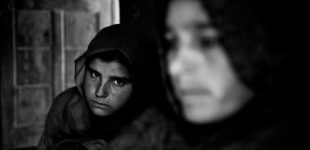
In the conflict ridden valley of Kashmir, they’re called the half-widows. For many years, their husband have disappeared, sometimes without leaving a trace, sometimes arrested without any proof by the Indian army…
A Nomad Identity
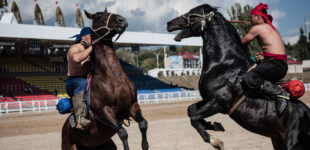
It’s the last day of the Games and, carried by its enthusiastic supporters, the Kyrgyz Kok Boru team is beating the Kazakh team. This game of the Central Asian kind of polo, where players fight for a goat carcass, is the crown of the Nomad Games, the most spectacular of the twenty three competitions held in six days.
Those of the 5th Sotnia
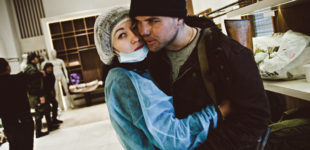
I met those of the 5th Sotnia in an hostel overlooking Maidan Nezalezhnosti, in january 2014. I followed them until the destitution of president Yanukovitch, in february of the same year.
Panem et Circences
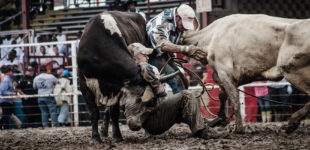
Angola, the largest prison in the US, was notorious: a former slave plantation, it was long the most violent prison in the country. Yet for half a century, thousands of visitors enter the gates of the penitentiary to attend the “Wildest Rodeo in the South”.
Queens of the asphalt

In the notorious streets of jazzy New Orleans, their engines thunder like a brass band. The “Caramel curves” is the wildest biker club of the old south.
The women miners of Breza
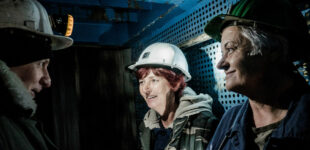
In Bosnia and Herzegovina, the coal mines still run at full regime. And for about 30 years, in Breza, north of Sarajevo, women also go 200 to 300 meters underground.
Trumpets not Guns
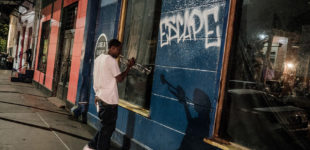
In New Orleans, the fight against violence uses brass bands. In the street corners, in the classrooms, they play an antic jazz dipped in funk. And spread the same message : trumpets, not guns.
Soatanana
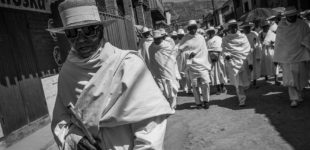
The village of Soatanana, 400km south of the capital Antananarivo, in the heart of Betsileo country, is also known by the name “White Village”, after the color of the villagers’ clothes. This evangelical community is unique in Madagascar : the fields belong to the community and the ressources and workload are shared.